
PREMIUM SURFACES
Quartz Countertops in
Porter, TX
Elevate your space with premium quartz countertops engineered for lasting beauty. Experience unmatched durability and timeless elegance in your Porter home.
No obligation · Expert consultation
PORTER, TX INTERIOR TRENDS
The Rise of Quartz
In recent years, the architectural landscape of Porter has experienced a subtle but profound transformation. Homeowners and local designers are moving away from traditional materials, seeking surfaces that blend flawless aesthetics with enduring strength. This shift toward engineered stone represents a new era in residential design, where every detail is curated for both beauty and purpose.
The modern movement embraces a seamless, high-end look. As families in Porter, Texas, upgrade their kitchens and bathrooms, the preference for tailored, precise finishes has skyrocketed. Engineered surfaces offer a level of consistency and refinement that anchors a room, turning everyday spaces into architectural centerpieces.
This growing popularity is driven by a desire for homes that feel both luxurious and lived in. It is a testament to the community's evolving taste, prioritizing materials that maintain their prestige over time while accommodating the realities of daily life.
Timeless Elegance
A hallmark of luxury for Porter homes.
ENGINEERED EXCELLENCE
Advantages of Quartz Countertops
Discover the precise structural benefits that make quartz the preferred choice for modern luxury homes in Porter.
Non Porous Surface
Highly resistant to stains and bacteria. The dense engineering of quartz ensures total hygiene.
Low Maintenance
Never requires sealing or special treatments. A simple wipe restores the immaculate finish.
Unmatched Durability
Engineered for longevity. Withstands daily impacts and resists chipping or scratching over time.
Diverse Design Options
Available in striking patterns and distinct textures. Perfectly matches any interior architectural style.
HOW IT WORKS
Our Installation Process
From the initial template to the final polish, we ensure a seamless transition to your new countertops.
01
Precision Measurement
We meticulously template your space to ensure a flawless fit, treating your home with the utmost care and respect from the moment we arrive.
02
Custom Fabrication
Your quartz is cut and finished in our facility, where expert craftsmen use advanced technology to shape your vision into a precise reality.
03
Professional Installation
Our experienced team installs your new countertops efficiently and cleanly, leaving your Porter home spotless and ready for immediate use.
ROOMS OF DISTINCTION
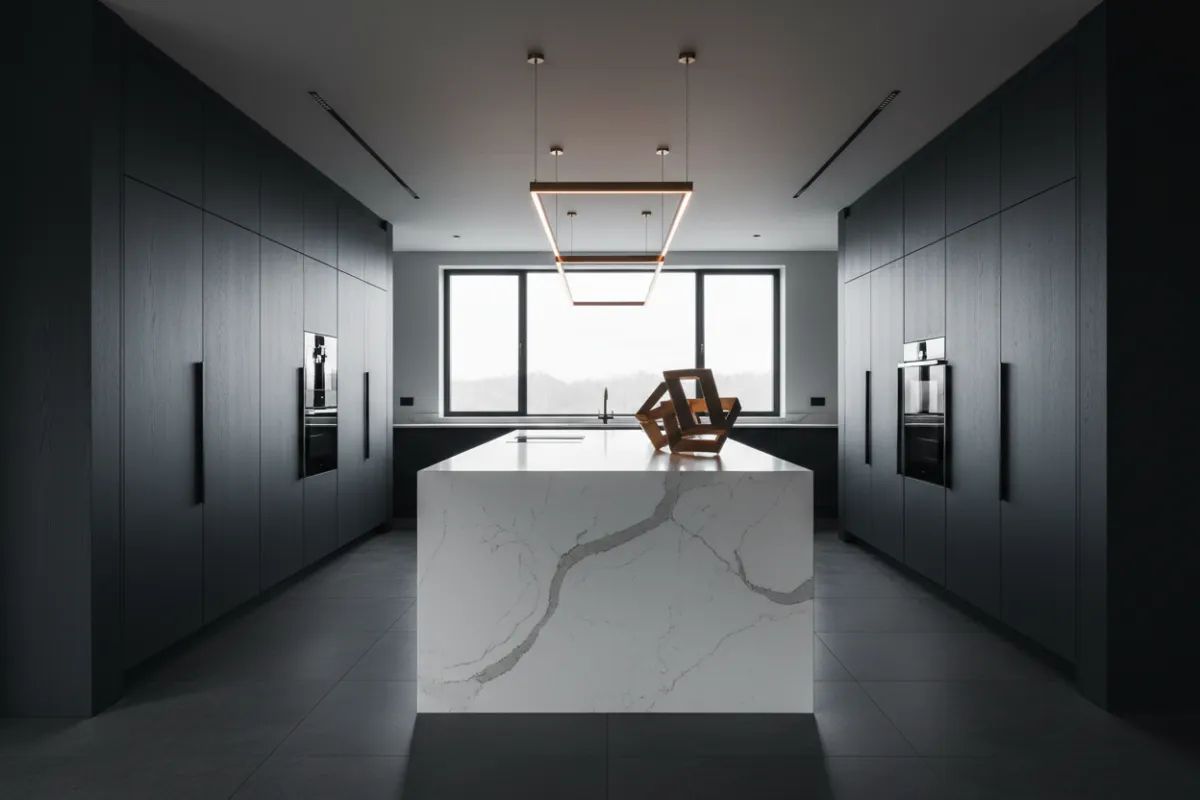
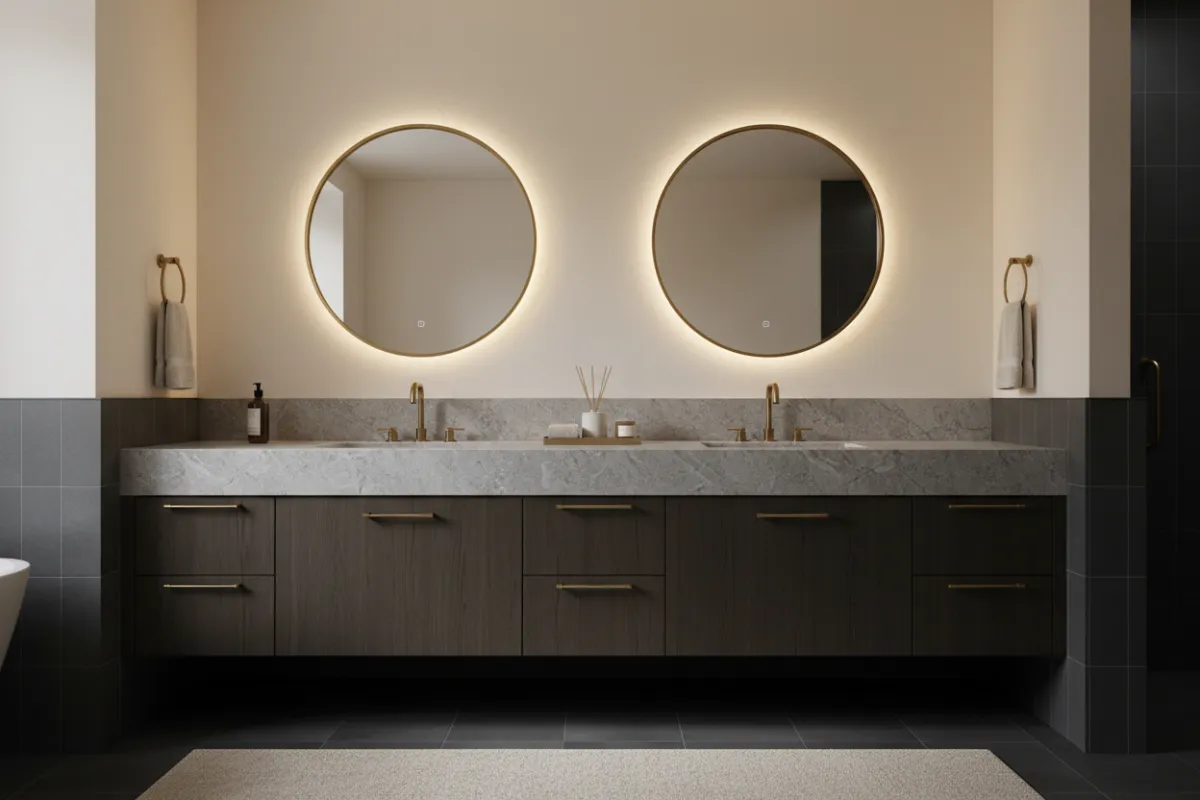
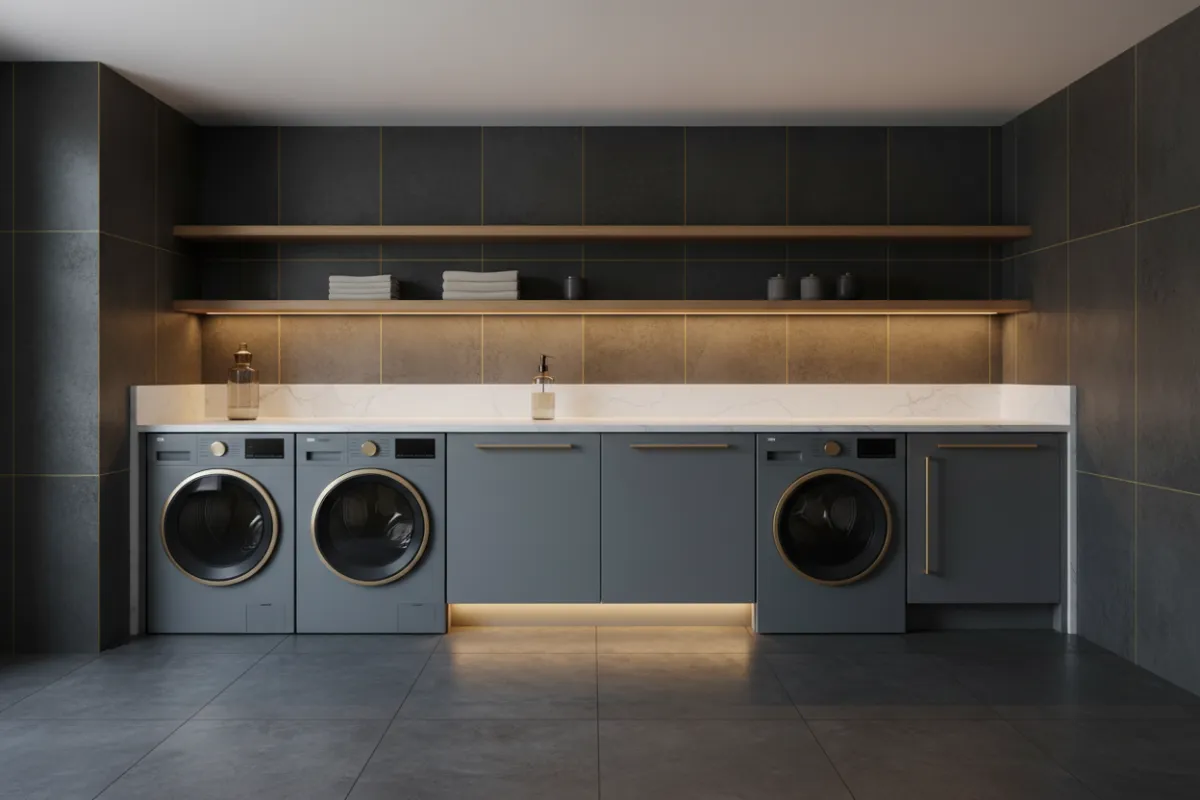
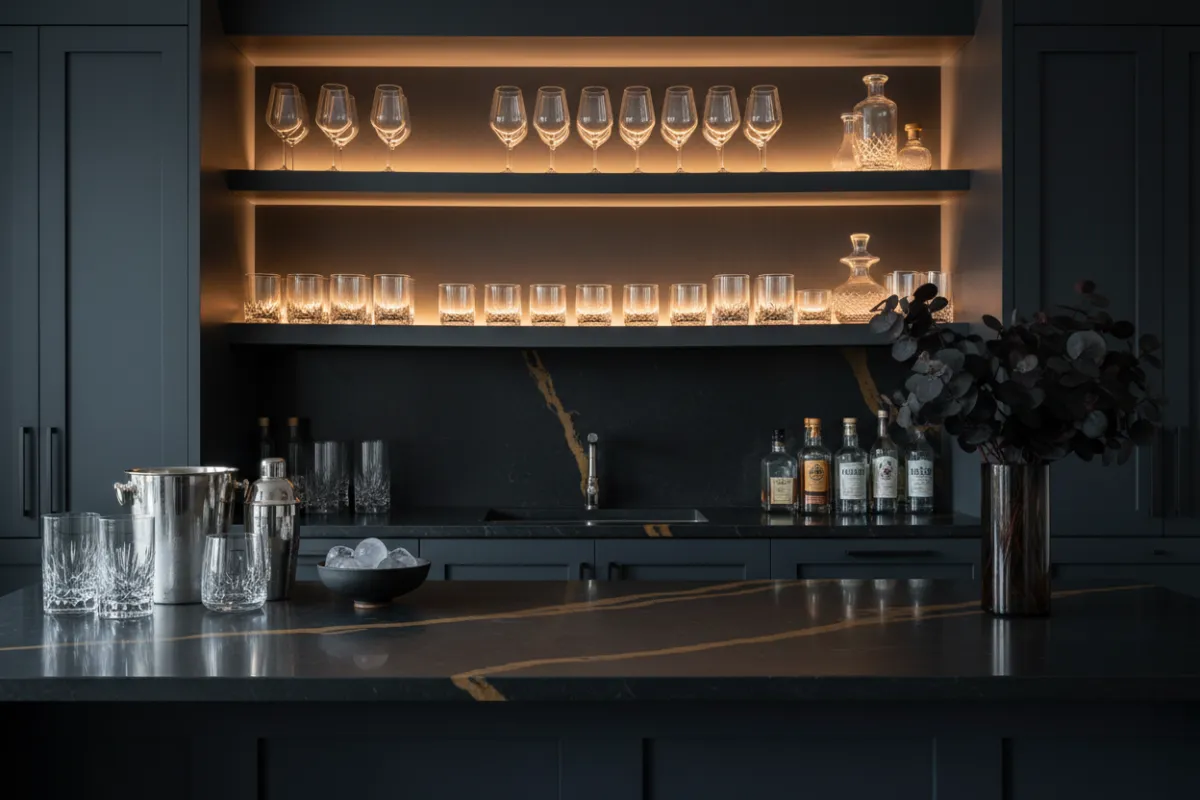
Best Places to Install Quartz
Engineered stone transcends traditional boundaries, bringing architectural precision and high end durability to every space it graces.
OUR HERITAGE
Why Choose All World Stone
For years, homeowners in Porter, TX have trusted our team for uncompromised quality. We believe that true luxury lies in the details. Our local Texas craftsmanship ensures that every slab of engineered stone is handled with precision, care, and an artisan's touch.
From the initial cut to the final installation, our exacting masonry standards guarantee a flawless fit and finish. We are deeply committed to our community, delivering countertops that elevate your home's design while standing up to daily life.
CLARITY & CARE
Frequently Asked Questions
Investing in custom quartz countertops is an exciting decision for your home. To ensure you have complete clarity on caring for and protecting your new surfaces, we have compiled the most common questions our clients in Porter ask us. If you have any other concerns, our team is always ready to assist.
Does quartz need to be sealed?
No, quartz is completely non-porous and engineered to resist stains naturally. Unlike natural stone, it never requires sealing or special treatments to maintain its pristine appearance.
Is quartz heat resistant?
Quartz is highly resistant to heat, but sudden changes in temperature can cause thermal shock. We always recommend using a trivet or hot pad under hot pans or heat-generating appliances to protect your countertops.
How do I clean my countertops daily?
Daily cleaning is incredibly simple. Use a soft cloth with warm water and a mild, non-abrasive dish soap. Avoid harsh chemicals, bleach, or scouring pads, as these can dull the beautiful finish of the stone.
Can quartz be used outdoors?
Standard quartz is primarily designed for indoor use. Prolonged exposure to direct UV rays can cause the pigments to fade over time. For outdoor kitchens in Porter, we recommend discussing our specific UV-resistant stone options.
What type of warranty do you provide?
We stand behind the quality of our craftsmanship and materials. Our quartz installations come with a comprehensive warranty covering fabrication and installation defects, plus the manufacturer's warranty on the stone itself.
READY TO TRANSFORM YOUR SPACE?
Request Your Free Consultation
Secure your priority spot for an in-home measurement and personalized design session with our quartz experts.
Locally fabricated • Free exact quote • No obligation
SERVICE AREAS
Serving Montgomery County
While based in Porter, our expert craftsmen regularly design, fabricate, and install premium surfaces across the surrounding regions.
Humble, TX
Expert granite and natural stone installations for Humble homeowners.
Kingwood, TX
Expert granite and natural stone installations for Kingwood homeowners.
New Caney, TX
Expert granite and natural stone installations for New Caney homeowners.
Spring, TX
Expert granite and natural stone installations for Spring homeowners.
The Woodlands, TX
Expert granite and natural stone installations for The Woodlands homeowners.
Conroe, TX
Expert granite and natural stone installations for Conroe homeowners.

All World Stone & Design
Premium granite and natural stone solutions for homeowners in Porter and across Montgomery County. Elevating residential and commercial spaces with timeless, durable craftsmanship.
Contact Details
Address:
Porter, TX
Serving Montgomery County
Contact:
Phone: (281) 777-9322
Email:
[email protected]
Connect With Us


© 2026 All World Stone & Design.
All rights reserved.